What Superman Can Teach Us About Allyship
When you think of Superman, you think of strength.
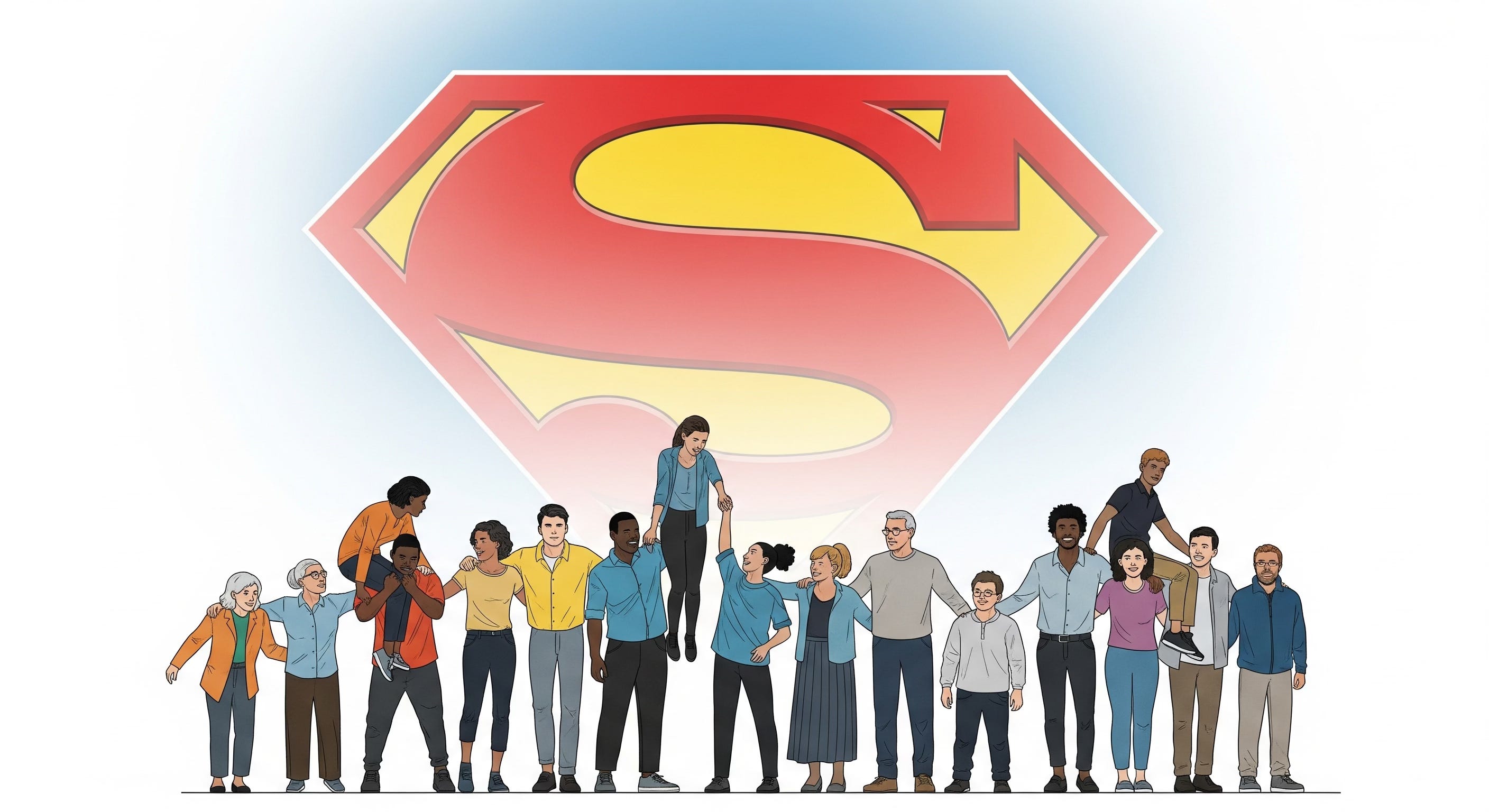
When you think of Superman, you think of strength. But what if his greatest superpower wasn’t muscle or flight — but allyship?
I attended a session on Allyship the other day, and to be honest, I've been chewing on the ideas ever since. It was a fascinating concept—the active role we can play in supporting people in groups different from our own. As I was processing everything, my mind kept jumping to an unexpected place: Superman. And the more I thought about it, the more I realised that this 'new' idea of allyship was something I'd actually been admiring my whole life, thanks to him.
The Hero We Know, A Different Perspective
We all know Superman. We know the powers—flight, strength, invulnerability. But the session on allyship made me start to see them differently. His invulnerability, for example, isn't just a cool power; it’s a condition where things that could harm others simply can't harm him. His flight lets him rise above problems that trap others on the ground.
And then there’s the part of his story that is the source of his true strength. He isn't from Earth. He’s an immigrant from a lost home, an outsider who, despite his power, knows what it feels like to be fundamentally different. This unique position—of having immense power while also understanding what it means to be alone—is the perfect starting point for understanding what it means to be an ally.
Connecting the Cape to the Cause
This is where the dots connected for me. The principles of allyship seemed to echo everything I admired about Superman's character.
His power is a perfect metaphor for privilege. It’s not about being 'bulletproof,' but about recognising you might have advantages or immunities that others don't. Superman's entire mission is built on him recognizing this advantage and consciously using it to shelter others, not just for his own gain.
His heroism isn't just pity; it's deep, personal empathy. Because he knows what it's like to be an outsider, he doesn't look down on humanity from a position of strength. He tries to look across with a sense of shared humanity. This is the heart of allyship—connecting with the struggle, even if you haven't lived the exact experience.
Finally, his allyship is active. He doesn't just offer words of support for Metropolis; he shows up and holds the collapsing bridge. This challenged me to think about the difference between just saying I'm an ally and actively doing things—listening more, amplifying other voices, or defending someone when it's uncomfortable.
Of course, even Superman has a weakness. For someone learning to be an ally, that "Kryptonite" might be our own ego, getting defensive when corrected, or becoming silent when action is needed. It’s a humbling thought, and something I know I need to keep in mind.
So, I'm definitely not an expert. But connecting this big, important idea of 'allyship' to a hero I've known forever has made it feel so much more accessible. I don't think the lesson is to literally ask, 'What would Superman do?' in every situation. Instead, it’s about learning from the principles he represents—that empathy is a strength, that responsibility comes with advantage, and that real help is active. By internalising his example, we can then go from there, finding our own courageous ways to build a better, more equitable world.
A Quick Primer on Allyship
If this reflection sparked your curiosity, you might be wondering what allyship looks like in practice. It’s not a title you earn, but an ongoing process. Here are a few key themes that are central to the journey:
It’s a Verb, Not a Noun. Allyship is defined by what you do, not who you are. It's a continuous process of learning and "taking courageous action." It’s less about declaring "I am an ally" and more about consistently engaging in acts of allyship.
Understanding Privilege. A core concept of allyship is recognising your own privilege. This isn't about guilt, but awareness. It’s about understanding that you might have certain advantages that others don't. Effective allies use their privilege to advocate for and create space for others.
Listening and Learning. You don’t have to be an expert to be an ally, but you do have to be willing to learn. This involves actively listening to the lived experiences of people from marginalised groups and educating yourself on their challenges and history without placing the burden on them to teach you.
Taking Action. This is where allyship becomes real. Actions can be big or small, from calling out bias in a meeting to slowing down conversations to ensure all voices are heard. It’s about moving from passive support to active participation in creating a more equitable environment.
Superheroes inspire us because they reflect who we wish we could be. But real allyship isn’t about capes or powers — it’s about standing with others in everyday moments.
I’d love to hear: who’s been a ‘Superman’ figure in your own life — someone who showed up for you when it mattered?