Walking Among Giants: Lessons From Cambridge
Sharing my experience from Trip to Cambridge
Some places carry a weight that isn’t visible, but you can feel it in your bones. Cambridge is one of them — a place where centuries of ideas still echo through its courtyards.
For years, two names sat at the very top of my travel bucket list: Oxford and Cambridge. Having walked the modern powerhouse campuses of Harvard, MIT, and Wharton in the United States, their British counterparts felt like a distant, almost mythical dream. These weren't just universities; they were the medieval cradles of Western thought, the places where giants like Isaac Newton and Stephen Hawking didn't just study—they fundamentally changed the world. This summer, stepping off the train at Cambridge station, I knew I wasn't just visiting a new city; I was making a pilgrimage.

Fuelling the Pilgrimage
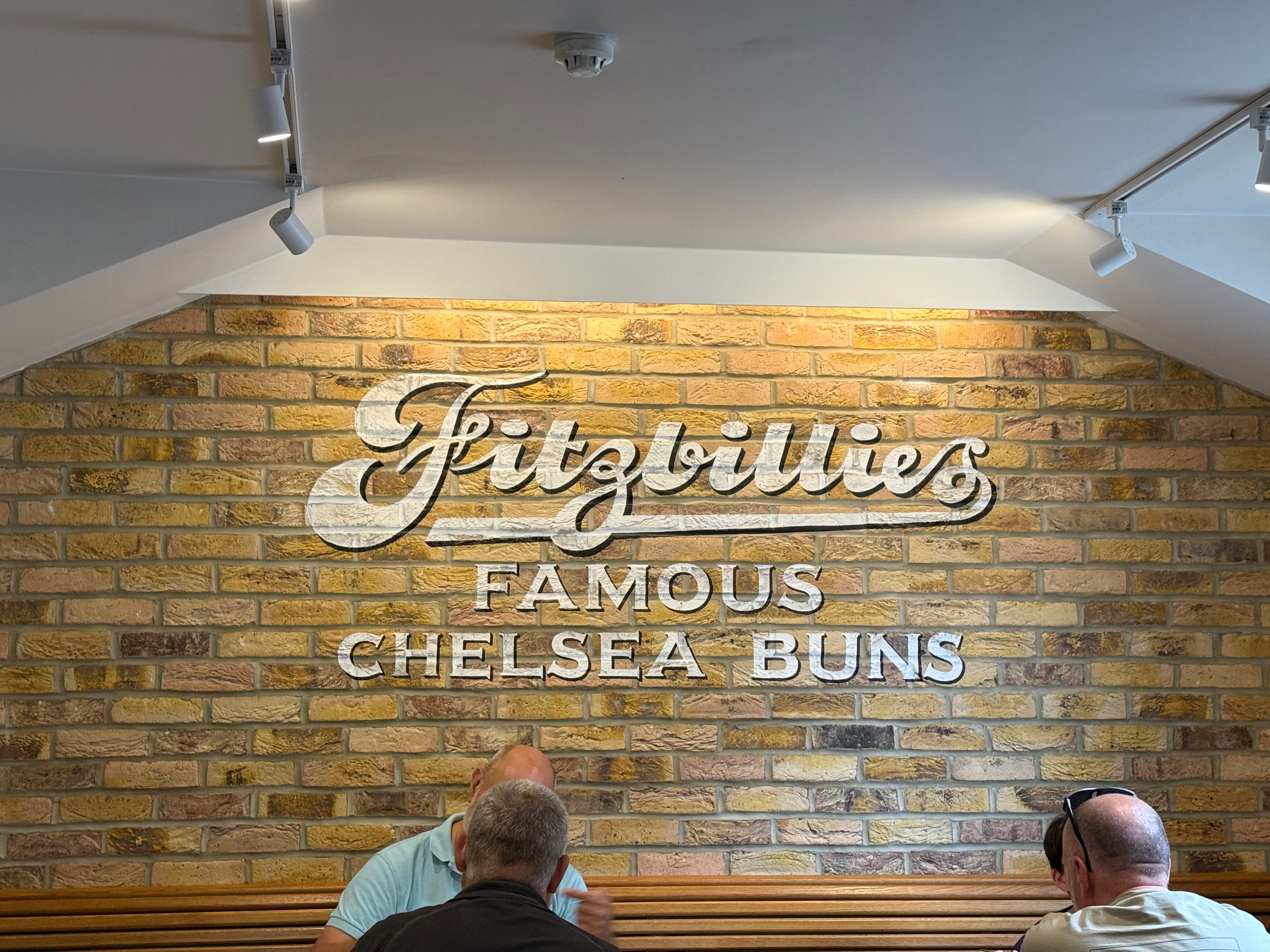
Every quest needs provisions, and mine began with a Cambridge institution: Fitzbillies. The city was still waking up, but the legendary Chelsea bun, sticky with cinnamon and sugar, and a hot cappuccino felt like the perfect fuel for the day ahead. This wasn't just breakfast; it was a ritual, a taste of local history before I went in search of global history.
The Path to the Past
With the warmth of the bun still lingering, I began my walk. My path first took me past the striking modern architecture of the Judge Business School. I caught a glimpse of its grounds through the gate—a quick nod to the giants of tomorrow. But I was on a quest for the giants of yesterday.
And then, I saw it. The unmistakable silhouette of King's College rising against the sky. It's a view you've seen in a hundred photographs, but nothing prepares you for the sheer scale and presence of it in person. Stepping into its grounds felt like lowering my voice without thinking. The chapel wasn't just historic; it felt sacred, the air thick with the weight of centuries of choir song, whispered prayers, and brilliant minds. This was it. I was finally here.
Ground Zero for Gravity
My true pilgrimage, however, was for one man: Isaac Newton. I made my way not down a quiet side alley, but to the main passage of Trinity Street, to stand before the college's magnificent Great Gate. With its imposing Tudor architecture and a statue of its founder, Henry VIII, perched above, the gate itself is a spectacle.
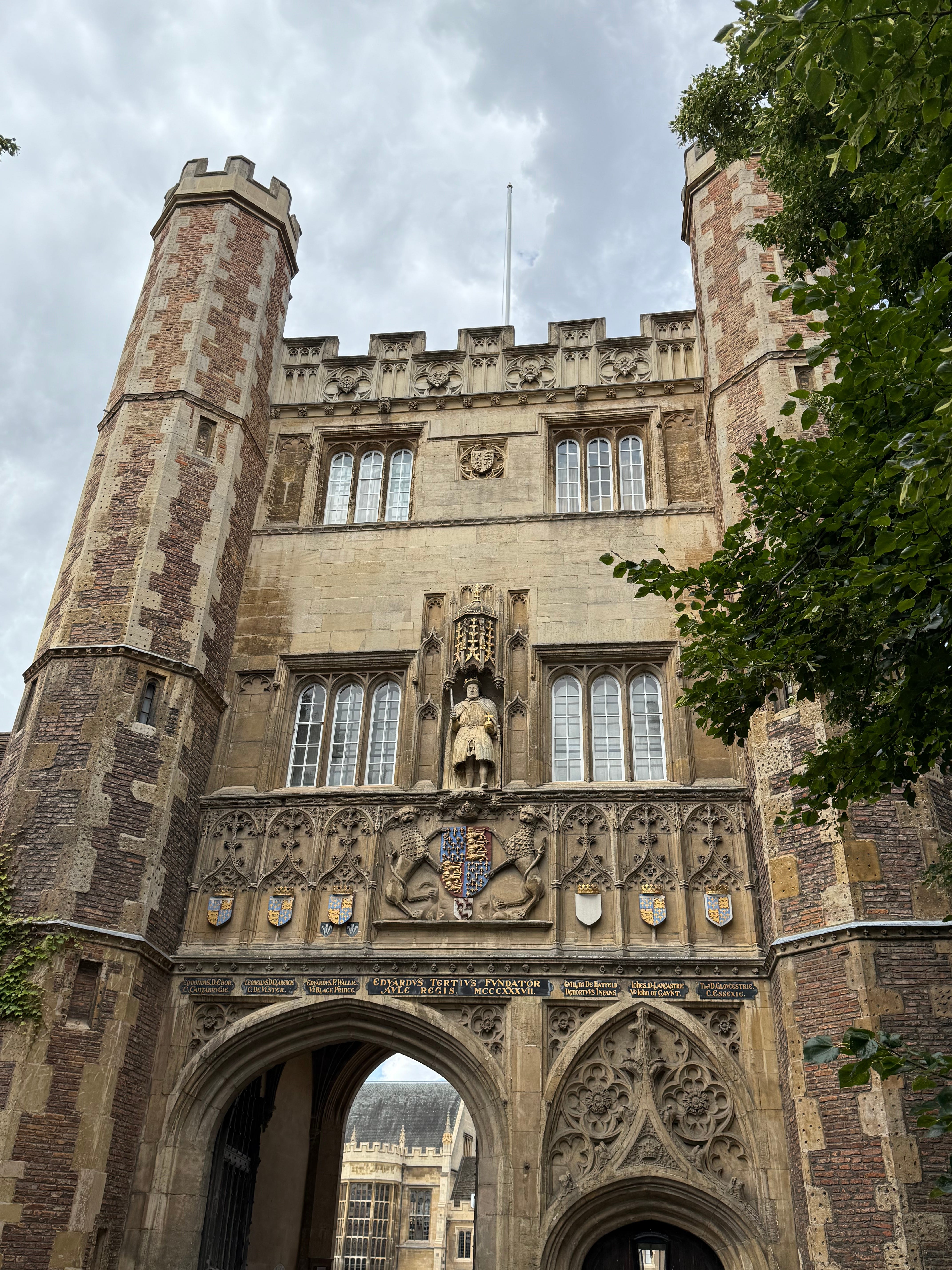
For a moment, I worried the college would be impenetrable, its secrets kept behind stone and ironwork. But as I drew closer, I could peer through the gate into the legendary Great Court. And there it was. Just past the manicured lawn, I could see the descendant of the famous apple tree, the quiet catalyst for a scientific revolution.
Standing there on the pavement, looking through that historic gateway, the bustling city behind me seemed to melt away. All that mattered was that view. This wasn't just a patch of grass; it was the epicenter of a paradigm shift. On that hallowed ground, a simple falling apple changed our understanding of the universe forever. It was a profound, deeply moving moment—a direct look into the world that Newton inhabited.
A Timeless Reflection on the Cam
After the emotional peak of the Newton moment, the gentle pace of a punting tour on the River Cam was the perfect epilogue. For 45 minutes, I simply sat back as our guide narrated the history flowing past us. Gliding by the famous college "backs" and under the Mathematical Bridge, I was seeing Cambridge from a timeless perspective. This peaceful, picture-perfect view is one that generations of students—giants in the making—have shared. It was a moment of pure peace, a chance to let the immense history of the day truly sink in.
Taking the Legacy Home
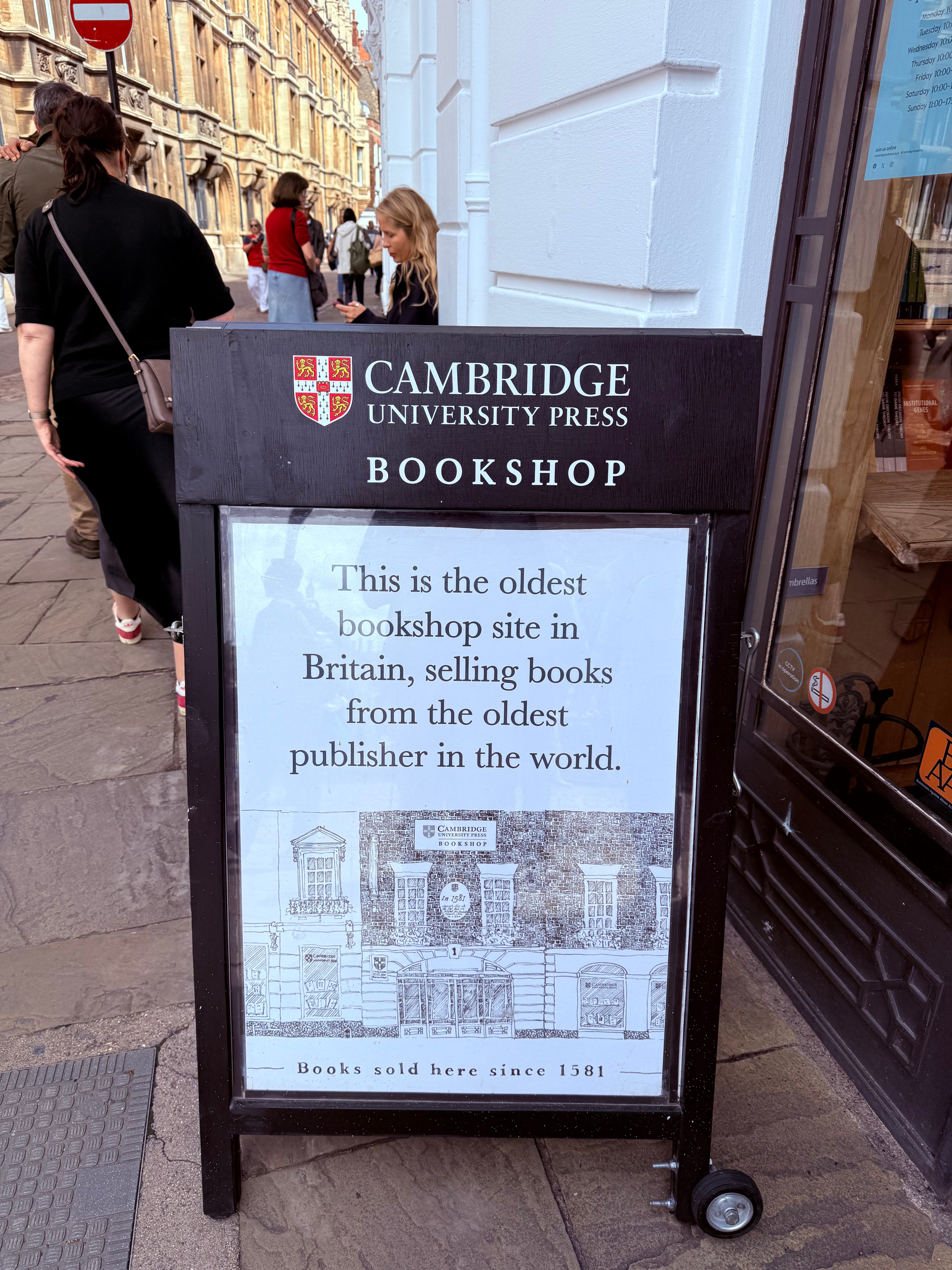
My trip ended with one last stop: the Cambridge University Press bookshop. It felt like the only appropriate way to conclude the day—not by buying a simple souvenir, but by taking a small piece of the university's legacy of knowledge home with me.
I came to Cambridge seeking history, but I left with something more. The giants I was chasing don't just feel like figures in a textbook anymore. Their legacy is alive in the very stones of the city, and their intellectual spirit is a current you can still feel today, inspiring everyone who walks those same hallowed paths.
When you’ve visited a place steeped in history, did it leave you inspired — or intimidated? I’d love to hear which places made you feel the ‘weight of greatness.’